


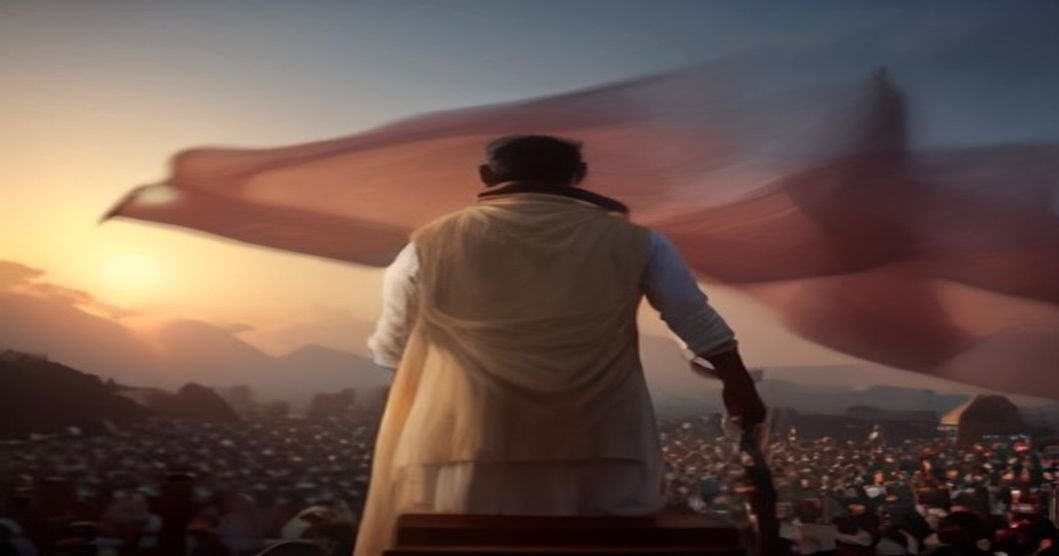
In the high-stakes arena of Indian politics, clothing has never been merely about personal aesthetics—it is a sophisticated language of political communication, identity, and ideology. Long before modern political consultants began orchestrating public visual images, Mahatma Gandhi transformed the humble khadi cloth into a powerful symbol of self-reliance, anti-colonial resistance, and national dignity. Today, modern political figures continue this legacy, carefully choosing their attire to project accessibility, regional pride, ideological purity, or economic clout.
The Power of Visual Branding in Modern Indian Politics
Voters form subconscious opinions based on visual cues within seconds. In a country as vast and culturally diverse as India, sartorial choices bridge linguistic and regional divides, transmitting instant messages about a leader’s character and mission without a single spoken word.
1. The Signature Waistcoat: Traditional Dignity and National Pride
The iconic sleeveless jacket—popularly rebranded as the Modi Jacket—represents a masterclass in modern political branding. Paired with crisp half-sleeved kurtas in vibrant colors, this wardrobe choice blends traditional Indian heritage with modern dynamism. During diplomatic summits, international visits, and high-energy rallies, tailored attire crafted from regional fabrics serves as a diplomatic tool, signaling cultural confidence and promoting local artisans under self-reliance initiatives.
2. Plain White Attire: Simplicity, Transparency, and Mass Movement
In contrast to structured jackets, plain white cotton shirts and t-shirts carry a distinct strategic narrative. During major nationwide marches like the Bharat Jodo Yatra, simple, untucked white shirts and basic t-shirts project relatability, endurance, and austerity. By deliberately rejecting grand political regalia, leaders attempt to break down hierarchical barriers between the political elite and the common citizen, positioning themselves as accessible public servants dedicated to grassroots movements.
3. Hawai Chappals and Handloom Sarees: Grassroots Power and Regional Identity
Regional leaders often leverage regional apparel to establish authentic local credentials. The classic combination of a plain white, low-cost handloom Tant saree paired with simple rubber footwear (Hawai chappals) is one of the most potent political aesthetics in regional politics. This image conveys an unshakeable commitment to the grassroots, anti-elitism, and frugality. It reassures working-class voters that despite holding immense political power, the leader remains rooted in the everyday struggles of ordinary people.
Historical Evolution: From Swadeshi to Modern Campaign Aesthetics
The strategic use of fashion in Indian governance has evolved through several distinct phases:
- The Freedom Struggle Era: Khadi stood for economic autonomy (Swadeshi) and unity against imperial rule.
- Post-Independence Governance: The classic Nehru jacket and crisp white dhoti-kurta defined the dignified statecraft of the mid-20th century.
- Regional Empowerment & Women Leaders: Figures like Indira Gandhi utilized regional handloom sarees to honor local weaving traditions during political visits across different states, a tactic later refined by regional leaders to emphasize provincial pride.
Strategic Implications in Electoral Politics
In contemporary election campaigns, clothing choices are calculated decisions aimed at capturing target demographics:
- Color Psychology: Saffron reflects cultural nationalism and spiritual heritage, white symbolizes purity and peace, while blue aligns with social justice movements.
- Cultural Adaptability: Leaders frequently adopt traditional local headgear—such as the Rajasthani pagaar or Assamese gamosa—during campaign stops to show respect for regional identities.
- Class Alignment: Downplaying luxury brands in favor of handloom fabrics creates a visual safeguard against accusations of political corruption or elitism.
Ultimately, fashion in Indian political discourse remains a potent non-verbal rhetoric. Whether it is a structured jacket symbolizing a assertive nation, a humble white t-shirt conveying accessible leadership, or a simple handloom saree championing austerity, what leaders wear on the public stage continues to shape the narrative of power, voter alignment, and national identity.
#PoliticalFashion #IndianPolitics #PoliticalBranding #KhadiDiplomacy #SartorialPolitics #ElectoralStrategy #ModiJacket #PoliticalCommunication #GrassrootsMovement #VoterPsychology #PublicImage #NationalIdentity